An ad's cost per result has risen. Before replacing it, locate the decline: are impressions more expensive, are fewer people clicking, or are visitors less likely to complete the action? Those patterns call for different work. Creative fatigue—repeated exposure reducing response—is one explanation to investigate, not a label the cost chart can establish on its own.
Look for a pattern across comparable delivery
Compare the same creative over periods with the same objective, offer, and measurement definition. Break out major audiences and placements before interpreting an aggregate decline: a larger share of delivery to a weaker placement can lower the total even when each placement's response is steady.
Look for a sustained fall in response alongside repeated exposure, especially within the audience that has seen the ad most. Frequency, negative feedback, and comments about repetition can support the investigation. None is a universal threshold for retirement. Frequency averaged across an audience also hides how unevenly exposure is distributed.
Check that enough activity sits behind the rates. A handful of conversions moving between days can make a small campaign's trend look dramatic. Compare complete reporting periods and account for the campaign's normal conversion-reporting delay.
Rule out other causes first
Trace the cost increase through the funnel:
| Observed change | Check before commissioning a refresh |
|---|---|
| Impression cost rises while click and post-click rates stay similar | Budget, bids, audience and placement mix, and delivery costs. This pattern does not isolate a creative problem. |
| Click response falls within comparable delivery | Exposure, message relevance, competing offers, and changes to the ad or its placement. Creative wear is a candidate. |
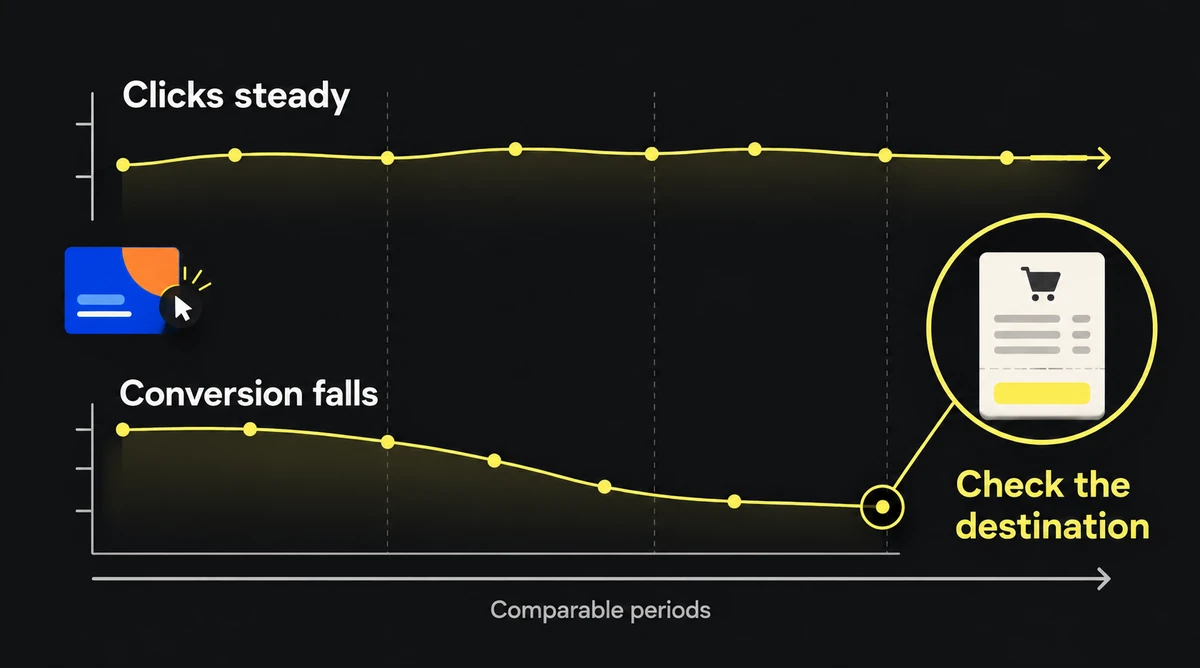
| Click response holds but post-click conversion falls | Destination, stock or offer availability, checkout, app route, traffic mix, and conversion tracking. |
| Reported conversions fall immediately after a tracking release | Event configuration and actual completed actions before interpreting ad performance. |
Open the destination and try the advertised action. Compare the change dates with campaign, site, and tracking edits. These checks narrow the cause; they do not turn a correlated metric into proof.
Match the refresh to the signal
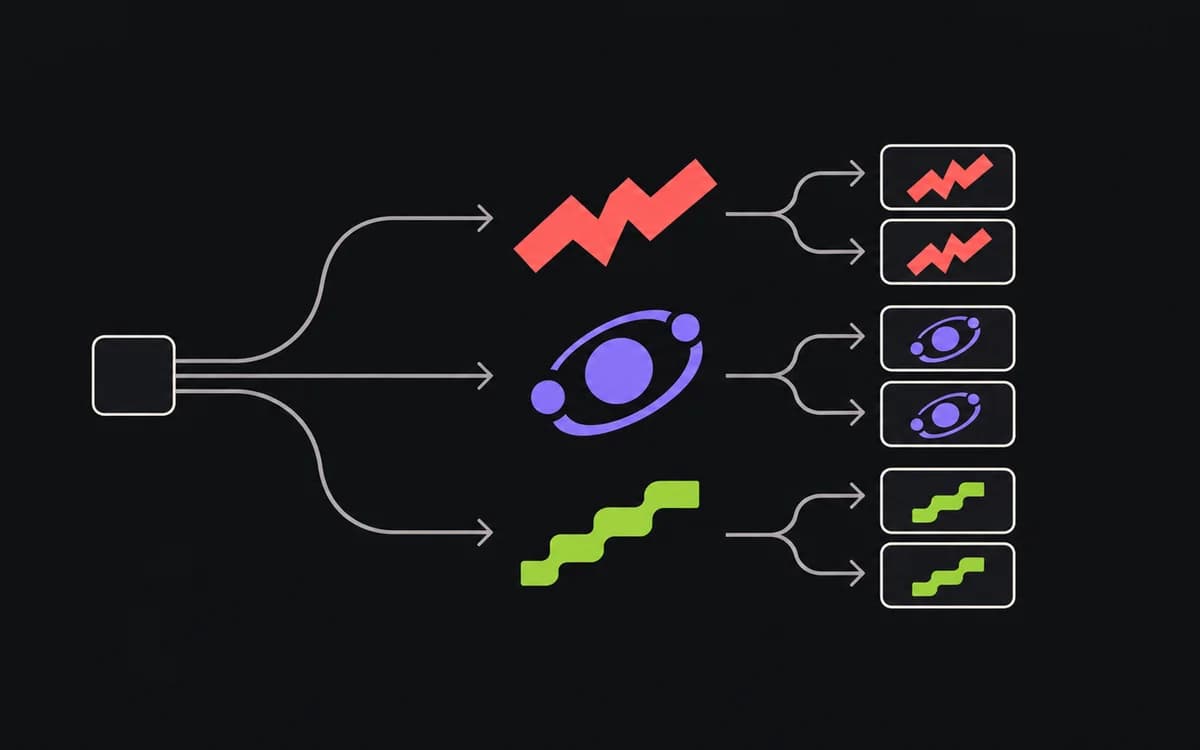
If the evidence points to repeated exposure and the offer still fits, make a challenger with a different opening image, scene, or hook. Preserve the remaining elements when you need to learn whether that change helps. If the offer or audience problem has changed, brief a new concept rather than another crop of the old one.
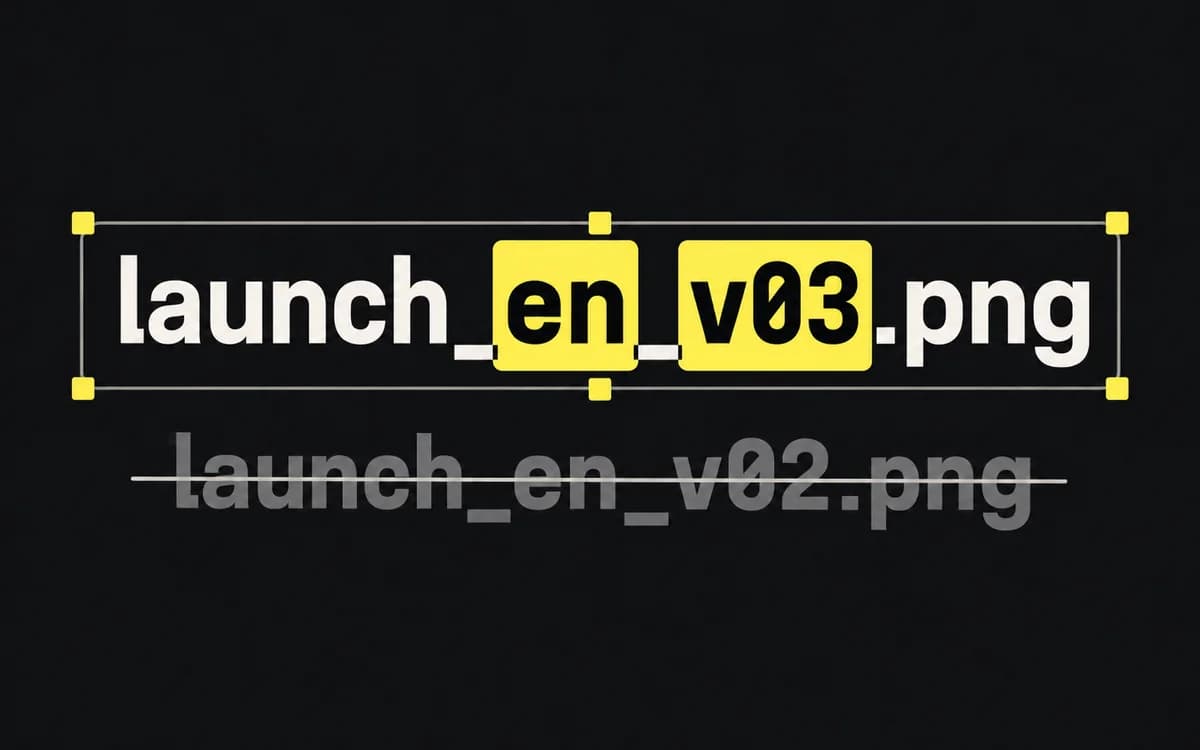
Keep a viable baseline in a planned creative comparison when the campaign setup allows it. Replacing the old ad and seeing a later improvement does not isolate the refresh's effect: delivery conditions may also have changed. A broad replacement can still be a practical decision; describe it as such.
Make the decision with a short evidence note
Write the finding with its limits. For example: “Returning-audience feed ad A: click response fell over two complete reporting periods while exposure rose. Offer and destination are unchanged; conversion tracking passed a live check. Test a new opening image against A. Prospecting performance is steady, so retain A there.”
Attach the report periods, variant IDs, and the date you will review the challenger. The useful result is a scoped action—repair the destination, test a refresh, change the concept, or keep running—not a mandatory request for more creative.